

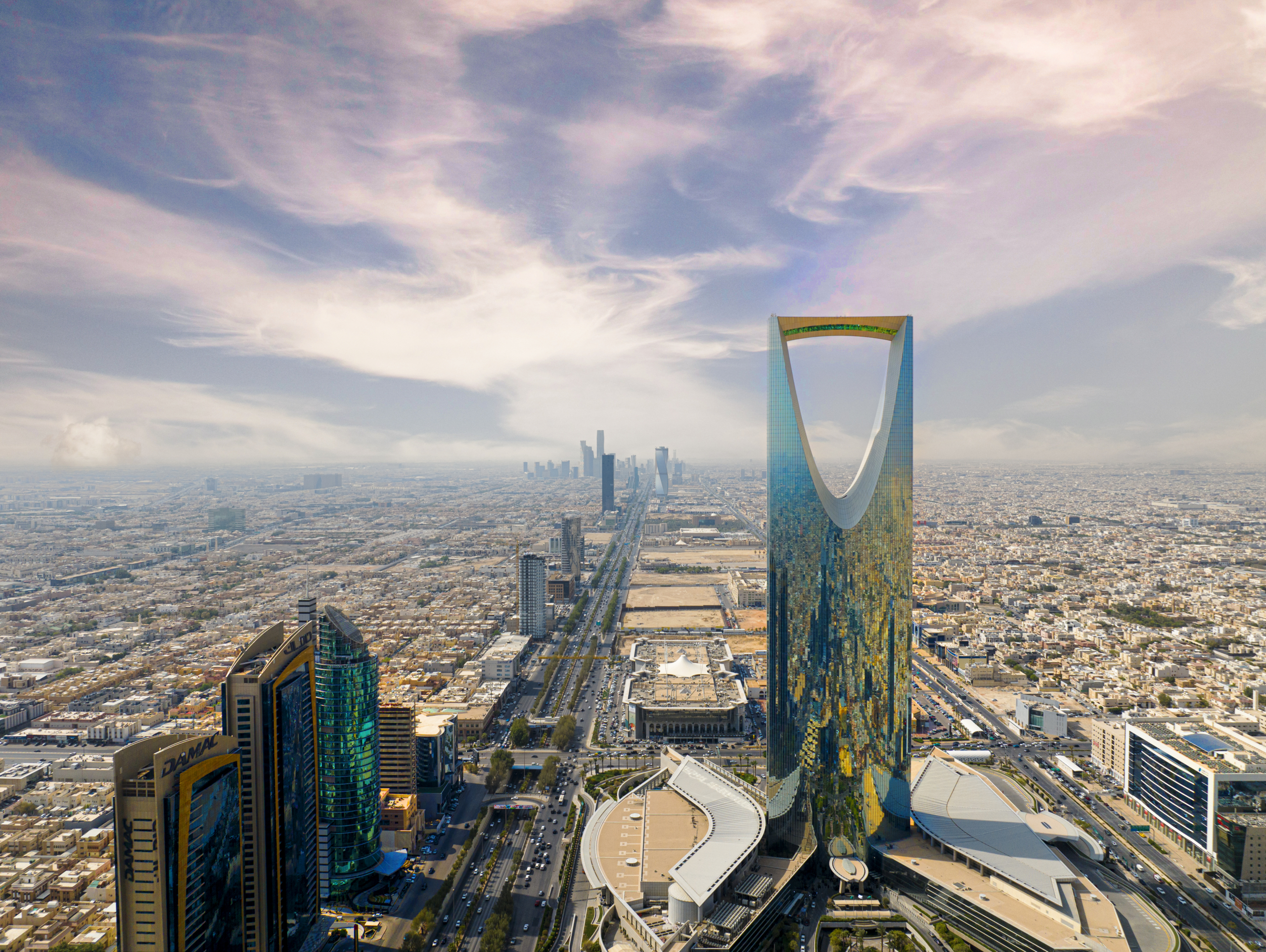
Starting from January 2026, Saudi Arabia’s updated Law of Real Estate Ownership by Non-Saudis comes fully into effect. The reform allows foreign property ownership in Saudi Arabia 2026 across most cities in the Kingdom, under clear geographic zones and regulatory controls overseen by the Real Estate General Authority (REGA).
According to official statements, foreign buyers will be able to own residential property in all Saudi cities except four: Makkah, Madinah, Jeddah and Riyadh, where ownership will be subject to special geographic rules and specific caps.
At the same time, all applications for foreign property ownership in Saudi Arabia 2026 are now channelled through Saudi Properties, the official digital portal launched by REGA to handle eligibility checks, zone verification and title registration in a fully digital journey.
Disclaimer: This article is for general information only and does not constitute legal advice. Always refer to the official law and executive regulations and consult a qualified legal adviser before making investment decisions.
First : Who can own property as a foreigner?
Under the new framework, the following categories may benefit from foreign property ownership in Saudi Arabia 2026:
- Non-Saudi individuals (natural persons)
- Foreign residents with valid residence permits.
- Non-resident foreign individuals, subject to the geographic zones and eligibility checks.
- Non-Saudi companies
- Foreign companies licensed to operate or invest in Saudi Arabia under relevant investment laws.
- Saudi-incorporated companies with foreign shareholders, especially non-listed companies formed under the Saudi Companies Law.
- Listed companies, REITs and special purpose vehicles
- Listed entities and real estate investment funds may own property across the Kingdom, including in Makkah and Madinah, under controls issued by the Capital Market Authority in coordination with REGA.
- Non-Saudi non-profit entities, as defined by Cabinet decisions.
- Diplomatic missions and international organizations
- They may own premises and official residences for their heads, subject to approval by the Ministry of Foreign Affairs and reciprocity.
Importantly, the law clarifies that foreign property ownership does not automatically grant extra privileges such as citizenship or special residency, beyond what is granted under other laws like Premium Residency or GCC agreements.
Second : Geographic zones and the four exempt cities
The backbone of foreign property ownership in Saudi Arabia 2026 is the concept of geographic zones, which are defined by a dedicated document issued by the government and published through REGA and the Saudi Properties portal.
- Foreign ownership is allowed across large parts of the Kingdom, with each zone specifying:
- The maximum foreign ownership percentage.
- The types of rights (full ownership, usufruct, leasehold, etc.).
- The duration and any special conditions.
- Residential ownership by foreigners will be permitted in all cities except four major cities – Makkah, Madinah, Jeddah and Riyadh. These will be governed by more detailed zoning rules and specific allowances that may vary by district.
- In Makkah and Madinah, direct ownership by non-Saudis is restricted mainly to:
- Muslim natural persons, and
- Saudi companies, including those with foreign shareholders, under certain conditions.
In addition to the zones, the law grants Rights of foreign residents vs. non-residents
- Foreign residents (natural persons)
The right to own one residential property for personal use outside the special zone – with Makkah and Madinah excluded from this right. - Non-resident foreigners and foreign companies
They can own property in eligible zones subject to: - Registration with the Ministry of Investment (Invest Saudi) when required.
- Completing all steps through the Saudi Properties portal and complying with the zone rules.
Third : Companies, funds and SPVs – wider access to Saudi real estate
One of the strongest features of the reform is the way it opens the market to institutional capital:
- Non-listed Saudi companies with foreign shareholders
- May own property within the designated geographic zones, including in Makkah and Madinah, when incorporated under Saudi law.
- Listed companies, REITs and special purpose vehicles
- May own property throughout the Kingdom, subject to bespoke controls from the Capital Market Authority and REGA.
This structure enables global and regional investors to access Saudi real estate via regulated vehicles – a major shift from the previous, much more restrictive system.
Fourth : Registration, fees and penalties
To make foreign property ownership in Saudi Arabia 2026 safe and transparent, the law relies on strict registration and enforcement mechanisms:
- Mandatory registration in the real estate registry
- Ownership and other real rights are not legally recognized until registered in the official real estate registry.
- Obligatory use of Saudi Properties
- All non-Saudi ownership applications must be submitted through Saudi Properties, which:
- Confirms eligibility based on nationality, status and purpose.
- Checks whether the property lies in an eligible zone.
- Links directly to the land registry for secure, digital transfer.
- Transaction fee for non-Saudis
- The law allows a fee of up to 5% of the property transaction value for non-Saudis; details are set out in the executive regulations.
- Sanctions for violations
- Administrative penalties such as warnings and fines.
- Fines of up to SAR 10 million for those who submit false or misleading information.
- Court-ordered sale of property acquired in breach of the rules.
Finally : Practical tips for foreign buyers in 2026
To make the most of foreign property ownership in Saudi Arabia 2026, consider the following steps:
- Define your profile and goal
- Are you buying as a resident, non-resident, company or fund?
- Is your goal rental income, capital appreciation, or lifestyle/second home?
- Check the zone and city rules
- If the property is in Makkah, Madinah, Jeddah or Riyadh, examine the specific zoning document and whether foreigners are allowed in that district.
- Use licensed professionals
- Work with a licensed real estate broker and reputable legal adviser who understand the new non-Saudi ownership law and REGA’s procedures.
- Budget for all transaction costs
- Include the non-Saudi fee (up to 5%), Real Estate Transaction Tax, brokerage fees, and any financing costs if you use a local mortgage.
FAQs about Foreign Property Ownership in Saudi Arabia 2026
This Almskn guide explains eligibility, geographic zones, registration requirements, and practical FA
1) Ownership procedures
1-1 When can a property be transferred (title deed transferred) to a non-Saudi (individual/company), and what is the transfer mechanism?
A property can be transferred (ownership/title deed transfer) to a non-Saudi after completing the required conditions and finishing the approved ownership journey—either through the Saudi Properties portal or by visiting an RER (Real Estate Registry) branch.
For registration steps, in-kind registration services, and procedures related to real estate transactions, refer to RER (Real Estate Registry):
https://rer.sa/
1-2 Can a non-Saudi invest in a property they own (inside or outside Saudi Arabia)? What is the procedure?
Yes. A non-Saudi (individual/company), whether located inside or outside the Kingdom, may invest in a property they own in accordance with applicable regulations and investment requirements. Some cases may require specific regulatory paths depending on the investor type and activity. It is always recommended to confirm requirements based on the intended use and business activity.
1-3 Can ownership be completed with a passport, or is a digital identity required?
Non-residents (outside Saudi Arabia): ownership is completed through issuing a digital identity. You can learn the steps by visiting Saudi Properties, going to “How to Start,” selecting the relevant category, and choosing “Non-resident.” The portal will display the digital identity issuance steps.
Residents (inside Saudi Arabia): ownership can be completed using the Iqama number through the official process.
Saudi Properties:
https://saudiproperties.rega.gov.sa/
2) Definitions and concepts
2-1 What is the Real Estate Registry (RER), and how do I apply for in-kind registration?
The Real Estate Registry (RER) is the official system used to register real estate ownership in Saudi Arabia, including in-kind registration of property rights and related records. For application details and services, visit:
https://rer.sa/
2-2 Can a visitor on a visit visa own property in Saudi Arabia?
In general, ownership requires either:
- Lawful residency in Saudi Arabia, or
- A digital identity for non-residents (through the approved process).
Note: The detailed requirements for enforcing the rules applicable to non-residents may be determined in the executive regulations. Therefore, definitive eligibility conditions for specific visit-visa scenarios may depend on official executive regulations and platform updates.
2-3 What are the steps to obtain a digital identity for an individual or a company?
You can obtain the digital identity by visiting Saudi Properties and following the ownership journey shown under “How to Start” for your category (individual/company; resident/non-resident).
2-4 What does “Nafath” mean?
Nafath is a service that enables individuals to access government and private-sector services through a secure, unified, and trusted access point (authentication/verification).
2-5 What does “Absher” mean?
Absher is the Ministry of Interior’s electronic platform that provides digital services to citizens, residents, and visitors through automated, secure, and efficient processes designed to enhance the user experience.
2-6 How do I obtain an off-plan sales license?
Off-plan sales licensing is issued by REGA under the relevant off-plan sale and lease framework and its implementing rules.
2-7 What is the Real Estate Transaction Tax (RETT)?
It is a tax imposed under the Real Estate Transaction Tax framework administered by ZATCA (Zakat, Tax and Customs Authority). More details:
https://zatca.gov.sa/
2-8 How much are real estate brokerage fees?
Fees vary depending on the service and the contract type. It is recommended to review official brokerage service guides and always verify that the broker is licensed.
2-9 What is the updated law for non-Saudi property ownership?
It is an updated regulatory framework governing how non-Saudis (individuals, companies, and eligible entities) may own real estate and acquire other real rights in Saudi Arabia under defined rules and standards that align ownership availability with national interest and the Kingdom’s regulatory and economic direction, while respecting Saudi Arabia’s religious, cultural, and social context.
2-10 What are the objectives of the updated law?
Key objectives include:
- Attracting foreign direct investment into the Saudi real estate market
- Enhancing the real estate sector’s contribution to GDP
- Attracting global talent and expertise
- Increasing the contribution of non-oil sectors to the economy
- Supporting sustainable economic development and income diversification
- Improving urban and lifestyle quality of life
2-11 Does the updated law replace the previous system?
Yes. Once the updated law takes effect, it replaces the previous framework and supersedes provisions that conflict with it, as stated in the officially published legal text.
2-12 How can I access reliable official information about the law and its executive regulations?
You can obtain official and reliable information from:
-
Saudi Properties portal:
https://saudiproperties.rega.gov.sa/ -
REGA website and its official channels:
https://rega.gov.sa/ -
RER website:
https://rer.sa/
3) Regulatory vision
3-1 What are “geographic zones”?
Geographic zones are defined areas within Saudi Arabia where a non-Saudi is permitted to own property or acquire other real rights. These zones include the locations and projects explicitly listed in the Geographic Zones Document as designated areas for non-Saudi ownership.
3-2 What is Saudi Properties, and what does it include?
Saudi Properties is a government electronic platform created to implement the non-Saudi ownership framework. It covers residents and non-residents, as well as non-Saudi companies and eligible entities, under specific legal procedures and controls.
3-3 If the non-Saudi ownership law overlaps with other active frameworks (Premium Residency, GCC ownership rules, etc.), which applies?
The application of this framework does not prejudice other active laws (such as Premium Residency or GCC ownership regulations) or any other regulations that grant a non-Saudi better ownership rights. Where a law grants more favorable rights, it may take precedence within its scope.
3-4 If someone owned property before the law takes effect, do the updated rules apply to that property?
No. The updated law generally does not affect rights that were acquired before its effective date.
3-5 What support channels are available for Saudi Properties?
Support is available through Saudi Properties, official social media channels, or the unified contact number published by the official channels.
4) Conditions and restrictions
4-1 Can an overseas individual buy property through an agent in their home country without using a licensed broker in Saudi Arabia?
To complete a property purchase in Saudi Arabia, you must deal with a licensed real estate broker inside the Kingdom under the regulated brokerage framework. You can verify licensed brokers via:
https://eservicesredp.rega.gov.sa/e-services/inquiry-about-the-real-estate-broker/form
4-2 How can I verify whether a property is eligible for non-Saudi ownership?
You can instantly verify eligibility through the services available on Saudi Properties:
https://saudiproperties.rega.gov.sa/
4-3 Will property ownership be affected if the owner permanently leaves Saudi Arabia?
No. Ownership is not affected simply because the owner leaves the Kingdom permanently.
4-4 Does property ownership exempt the owner from visa requirements? Can a visa be refused even if the person owns property?
No. Property ownership does not exempt anyone from visa requirements. Visa decisions are subject to the criteria and procedures of the competent authorities and are not automatically granted due to property ownership.
4-5 Is it necessary to physically be in Saudi Arabia to complete the ownership process?
No. Physical attendance is not required if the process is completed electronically through the approved channels.
4-6 Can a non-Saudi mortgage (pledge) a property they own?
Yes. Mortgaging a property owned by a non-Saudi is permitted under applicable laws and related rules.
4-7 At which stage of real estate development can a non-Saudi buy?
A non-Saudi may buy at different development stages, provided the transaction complies with the non-Saudi ownership law and any related rules (including off-plan rules where applicable).
4-8 What penalties apply to violations?
Penalties may include:
- Fines or warnings for violations of the rules
- Higher penalties for providing misleading information
- The possibility of legal action that may include court-ordered sale of non-compliant property, depending on the applicable provisions
5) Zones and limitations
5-1 Will ownership be affected if the geographic zone is changed later?
No. Ownership remains valid even if the geographic zone is later amended, and the registered ownership remains in place.
5-2 What types of properties can a non-Saudi own?
Eligible property types depend on what is permitted under the Geographic Zones Document, including the relevant controls (property type, right type, ownership caps, etc.).
5-3 When can I view the Geographic Zones Document for non-Saudi ownership?
The availability of the Geographic Zones Document follows official announcements and portal updates. Check Saudi Properties/REGA for publication updates.
6) Ownership controls
6-1 Can an individual (resident/non-resident) or a company (Saudi/non-Saudi) own one or more properties (land or residential units) inside or outside the zones?
Eligibility depends on the applicant category (resident/non-resident; company type; fund/vehicle) and the permissions matrix shown on the Saudi Properties homepage.
6-2 Is a Saudi bank account required?
Yes, in many journeys a local bank account may be required according to the approved list and the platform’s requirements. Please refer to Saudi Properties for the latest requirements by category.
6-3 Can a non-resident owner issue a power of attorney to appoint someone to manage or invest their property inside Saudi Arabia?
Yes. A lawful power of attorney can be issued from outside Saudi Arabia through approved channels to enable a representative to manage or invest the property inside the Kingdom, subject to applicable rules.
6-4 Can a non-Saudi change the purpose/use of the property after purchase?
Changing the property’s use is subject to applicable laws and instructions (e.g., zoning, municipal/commercial licensing requirements).
6-5 If the non-Saudi owner dies, can the property be transferred to heirs?
Transfer of real rights to heirs is governed by applicable inheritance and personal status rules and related procedures.
6-6 Can a non-Saudi transfer (gift) the property to someone who does not meet ownership requirements?
No. The property cannot be gifted or transferred to a person who does not meet the legal ownership eligibility requirements.
6-7 Is joint ownership allowed (foreigner/foreigner or foreigner/Saudi)?
Yes. Joint ownership is permitted under applicable rules, with each party’s ownership share clearly stated.
6-8 Are ownership procedures different in Makkah and Madinah?
Ownership procedures follow the non-Saudi ownership framework and its executive regulations, in addition to the Geographic Zones Document and any special controls applicable to those cities.
6-9 Is a Saudi phone number required?
Yes in many cases, because it supports access/activation on official platforms such as Nafath and Absher, depending on platform requirements.
6-10 What forms of ownership (real rights) are available?
The Geographic Zones Document determines the real rights that can be acquired, including:
- Full ownership title, and
- Other real rights such as usufruct and easements, and similar rights.